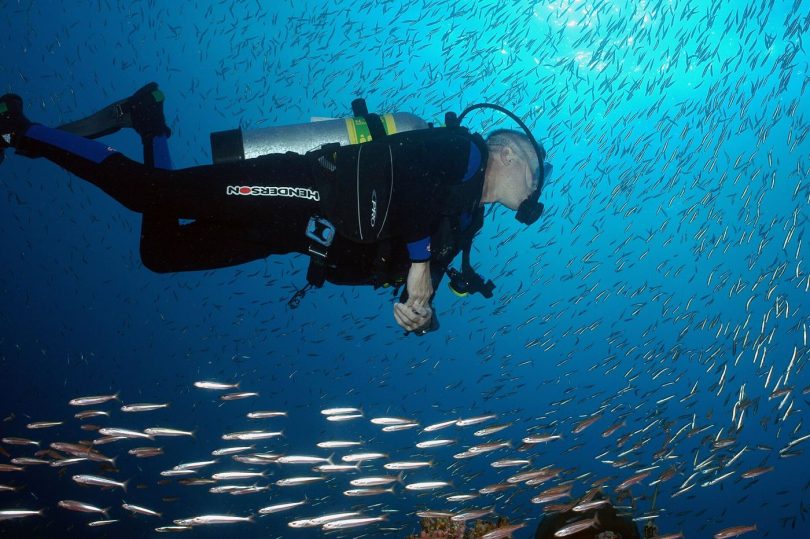

Beneath the surface along rocky coasts, tall kelp sways in the current and creates a forest like habitat for fish, crabs, sea urchins and many smaller creatures. Marine scientists are diving in these underwater forests to track how warming waters, storms and changing predator populations affect their growth. Kelp grows quickly when conditions suit it, absorbing carbon dioxide and providing shelter that supports rich biodiversity. When kelp disappears, the whole community around it can change within a few seasons. By comparing dive surveys over time, researchers build a clearer picture of which sites are resilient, which are declining and what local protections might help recovery take hold in the long term.
What the Evidence Shows
Fieldwork combines careful observation with modern tools. Divers record species, measure kelp density and collect water samples, while cameras and sensors continue monitoring after the team returns to shore. Scientists are careful not to overstate what a single survey proves, because ocean conditions vary naturally between years and locations. Long term data sets, shared between research groups and coastal managers, are far more valuable than isolated snapshots. Kelp restoration projects in some regions are testing whether removing excess grazers or replanting young kelp can restart growth. Results so far are mixed but instructive. Understanding these forests matters beyond science, because healthy kelp habitats support fisheries, tourism and coastal protection valued by nearby communities. Reporting and analysis from sources such as NASA track the same developments, and specialists following kelp forest underwater ocean ecosystems say the direction is now consistent across independent lines of evidence.
The Wider Context
Funding bodies are watching kelp forest underwater ocean ecosystems closely because the work sits at the junction of basic curiosity and practical return. Grant panels increasingly ask for a path from discovery to application, while researchers push back that the most valuable uses of fundamental science are rarely the ones written into the original proposal. The tension is productive when both sides stay honest about timescales.
What Happens Next
The long view on kelp forest underwater ocean ecosystems is that fields advance by accumulation rather than by single announcements. This result adds a solid, checkable piece to a structure many teams are building, and its authors have shared their data so the piece can be tested from every side. That is how the picture eventually becomes reliable enough to act on. You can follow related developments in our coverage of science.
It is also worth remembering how quickly the picture in this area has changed before. Positions that looked settled a few years ago have been revised as new data arrived, and the same humility is appropriate now. The strongest coverage of this subject, and the most useful advice, tends to come from sources that update their views openly when the facts move, rather than defending an earlier position long after it has stopped fitting the evidence available.