
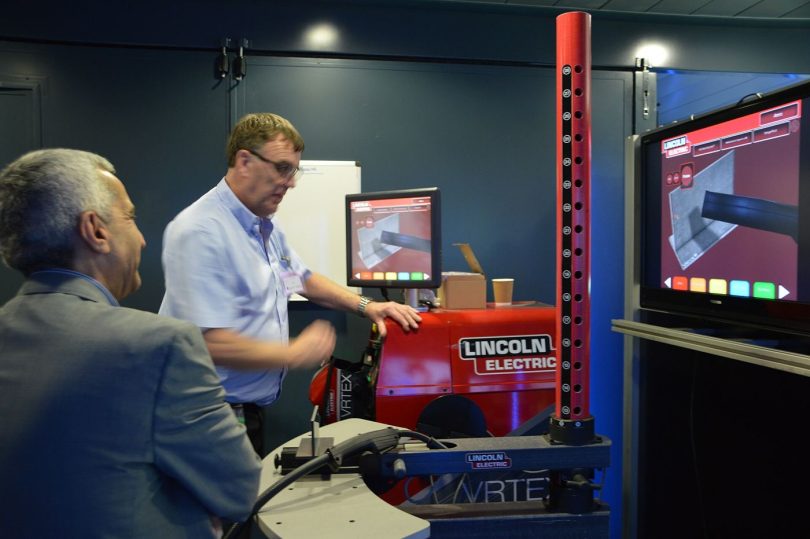

Sensors in a smart factory were installed to watch machine health, but the same data streams are now exposing how much energy production lines waste between jobs. Motors left idling overnight, compressed air leaking from ageing fittings, and ovens holding temperature through empty shifts all appear as patterns in minute-by-minute consumption records. Energy managers say those invisible losses often rival the cost savings factories chase through faster machines or cheaper raw materials.
What the Evidence Shows
Dashboards now rank production areas by energy used per finished unit, helping supervisors spot the lines where a small adjustment saves money every single day of operation. Simple fixes follow quickly: automatic shutdown timers, repaired air lines, and rescheduled heat treatments that share a single warm-up instead of several across a shift. Workers are shown the savings in plain figures at team briefings, turning energy awareness into part of quality culture rather than a distant finance target. Reporting and analysis from sources such as Wired track the same developments, and specialists following factory sensor energy management say the direction is now consistent across independent lines of evidence.
The Wider Context
The wider context is an industry learning to ship capability and restraint together. Products built around factory sensor energy management now launch with safety evaluations, usage data and rollback plans as standard, because enterprise buyers and regulators ask for them in the first meeting. Companies that treated those questions as friction are discovering they have become the purchase criteria.
What Happens Next
What happens next for factory sensor energy management depends less on another breakthrough than on the unglamorous work of reliability, pricing and support. The buyers evaluating it now are not enthusiasts; they are operators with budgets and auditors, and their checklists will decide the timeline. On the evidence of the current pilots, the technology has earned the right to be judged by them. You can follow related developments in our coverage of technology.
None of this will be settled by a single announcement, study or product launch. The pattern to watch is accumulation: independent confirmations, honest reporting of failures and steady improvement in the underlying numbers. Readers who follow those signals, rather than the loudest claim of the week, will understand this subject better than most of the commentary surrounding it suggests is possible.
There is a practical lesson in all of this for readers deciding what to do today. Start with the verified facts, be wary of anyone promising certainty, and prefer reversible steps while the evidence is still developing. Circumstances differ by country, income and personal situation, so general guidance should always be weighed against your own context before you act on it in any significant or lasting way.
It is also worth remembering how quickly the picture in this area has changed before. Positions that looked settled a few years ago have been revised as new data arrived, and the same humility is appropriate now. The strongest coverage of this subject, and the most useful advice, tends to come from sources that update their views openly when the facts move, rather than defending an earlier position long after it has stopped fitting the evidence available.