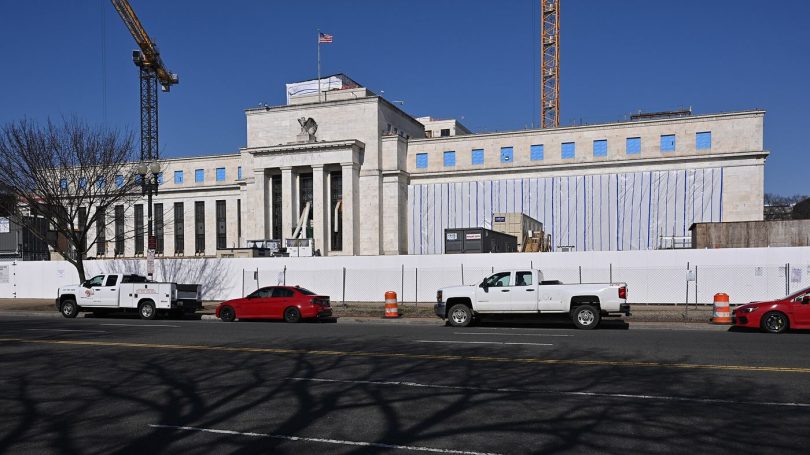

The United States Federal Reserve left its benchmark interest rate unchanged at 3.75 to 4.00 percent on October 28, 2026, in a decision that revealed deep divisions inside the central bank. The vote was 10 to 2, with Governor Lisa Cook and Cleveland Fed President Beth Hammack both preferring an immediate quarter-point increase. Chair Kevin Warsh said inflation had been above the 2 percent target for nearly six years and that higher energy prices raised the risk of it spreading. The Fed had raised rates in September for the first time in three years, before pausing in October to assess incoming data. Markets now expect another increase at the December 8 to 9 meeting, with traders pricing odds of roughly 90 percent or more for a quarter-point rise. The October consumer price index, released on November 10, rose 0.4 percent in the month, above the 0.3 percent forecast. The decision came after months of debate about whether inflation or jobs should matter more to the central bank.
What the Evidence Shows
A split vote matters because it shows the direction of travel even when the rate itself does not move. Two dissents in favour of a hike suggest that the committee is leaning toward tighter policy, and Fed officials have since spoken openly about a December move. Governor Christopher Waller even raised the possibility of a half-point increase if inflation keeps surprising on the upside. For borrowers, a higher policy rate usually means more expensive mortgages, car loans and credit card debt, while savers may earn more on deposits. For investors, the prospect of higher rates has already pushed the 10-year Treasury yield above 5 percent and weighed on stocks and crypto. The Fed has also announced that, from late 2027, one meeting each year will focus on longer-term strategy rather than rate decisions. Until December, every inflation and jobs report will be read as a clue to the next move. Reporting and analysis from sources such as World Bank track the same developments, and specialists following Federal Reserve holds rates say the direction is now consistent across independent lines of evidence.
The Wider Context
For households and small firms, Federal Reserve holds rates matters through prices and access rather than through market commentary. Changes at this level arrive as a rate on an offer letter, a fee on a statement or a product that quietly disappears from a comparison table. Consumer groups argue that transparency at exactly that point of decision is worth more than any amount of market-level reporting.
What Happens Next
The outlook for Federal Reserve holds rates hinges on policy choices that will be made in the open over the coming quarters. Market participants are positioned for more than one outcome, which is why the immediate reaction to each announcement has been smaller than the commentary around it. For ordinary savers and borrowers, the advice from every quarter is the same: review your own position, not the headlines. You can follow related developments in our coverage of finance.
It is also worth remembering how quickly the picture in this area has changed before. Positions that looked settled a few years ago have been revised as new data arrived, and the same humility is appropriate now. The strongest coverage of this subject, and the most useful advice, tends to come from sources that update their views openly when the facts move, rather than defending an earlier position long after it has stopped fitting the evidence available.