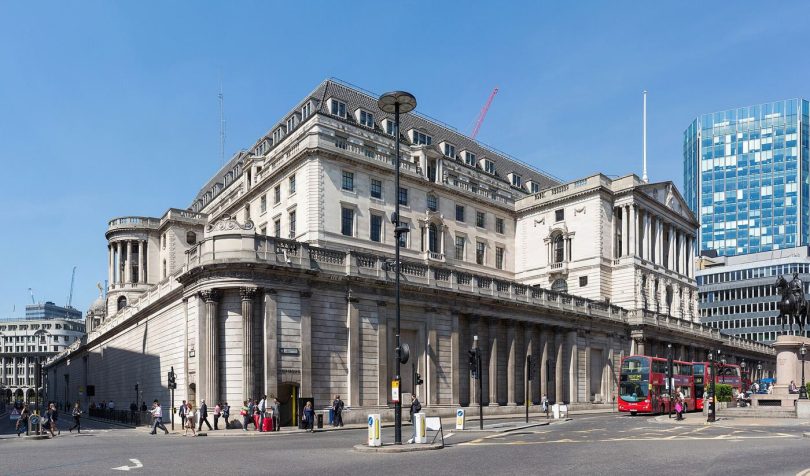

The Bank of England raised its key interest rate from 3.75 percent to 4 percent on November 5, 2026, its first increase since August 2023. The decision, taken by an 8-to-1 vote, reflected concern that inflation is refusing to settle, with UK consumer prices rising 3.5 percent in the year to September and the Bank expecting inflation to reach around 5 percent by mid-2027. Energy costs linked to the conflict in the Middle East were cited as a key driver. The move surprised some borrowers who had grown used to steady or falling rates, and it immediately pushed up the cost of new mortgages. The single dissenter on the committee voted for a larger rise, arguing that inflation expectations needed a stronger signal to stay anchored.
What the Evidence Shows
The average new mortgage rate had already risen to 5.89 percent by November 4, according to Moneyfacts, with the average two-year fixed rate up from 4.83 percent in January to 5.97 percent. Savers, by contrast, are seeing only modest gains, with the average easy-access account paying just 2.56 percent. The Bank’s next decision is scheduled for December 17, and markets now give a further rise a high probability. For households, the message is that borrowing costs are likely to stay elevated for longer than many had hoped, and that the era of cheap money is firmly over. Credit card borrowing is also becoming dearer, with average rates on new cards climbing steadily alongside the Bank’s policy rate and lenders tightening their criteria. Economists say the squeeze on household budgets will deepen before it eases. Reporting and analysis from sources such as World Bank track the same developments, and specialists following the Bank of England raising rates to 4% say the direction is now consistent across independent lines of evidence.
The Wider Context
For households and small firms, the Bank of England raising rates to 4% matters through prices and access rather than through market commentary. Changes at this level arrive as a rate on an offer letter, a fee on a statement or a product that quietly disappears from a comparison table. Consumer groups argue that transparency at exactly that point of decision is worth more than any amount of market-level reporting.
What Happens Next
The outlook for the Bank of England raising rates to 4% hinges on policy choices that will be made in the open over the coming quarters. Market participants are positioned for more than one outcome, which is why the immediate reaction to each announcement has been smaller than the commentary around it. For ordinary savers and borrowers, the advice from every quarter is the same: review your own position, not the headlines. You can follow related developments in our coverage of finance.
It is also worth remembering how quickly the picture in this area has changed before. Positions that looked settled a few years ago have been revised as new data arrived, and the same humility is appropriate now. The strongest coverage of this subject, and the most useful advice, tends to come from sources that update their views openly when the facts move, rather than defending an earlier position long after it has stopped fitting the evidence available.