
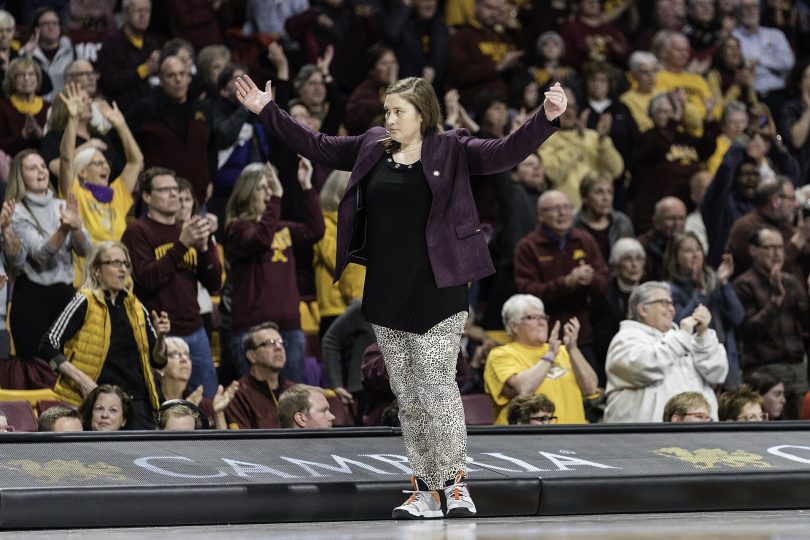

Expansion teams are not supposed to be here this fast. The Golden State Valkyries are in the WNBA Finals and now lead them, beating the Atlanta Dream in Game 1 behind Gabby Williams’ two-way brilliance — and leaving Atlanta with adjustments to make before the series runs away from them.
Key points
The essentials from this report:
- Atlanta’s shot problem
- The expansion marvel, in context
- What Game 2 must change
- Williams sets the tone
Atlanta’s shot problem
The Dream’s coaching staff were candid afterwards: the offence generated contested looks too late in the clock. Golden State’s switching defence funnelled Atlanta into mid-range attempts — the least efficient diet in modern basketball — and the Dream’s shooters could not punish the scheme from outside. Creating better shots, their coach’s own phrase for the Game 2 mission, starts with earlier actions and harder cuts to bend the defence before it sets.
Series coverage and box scores are available from the WNBA and ESPN.
The expansion marvel, in context
Golden State’s rise has been the league’s defining storyline: record crowds, a defensive identity built from opening night, and front-office patience rewarded ahead of schedule. Skeptics noted, fairly, that playoff basketball exposes thin rotations — but the Valkyries’ depth has instead become their weapon, with bench units extending leads rather than protecting them. The Finals stage has so far amplified their strengths rather than their inexperience.
Why this resonates beyond sport
Sport is the public’s shared laboratory for performance under pressure: visible effort, honest scoreboards, consequences within hours. Its lessons transfer imperfectly — workplaces are not leagues — but its questions are universal ones about teams, leadership and decline. It is also, not incidentally, one of the last mass experiences that strangers still share in real time, which is part of why a result can rearrange a city’s mood by morning.
What Game 2 must change
Atlanta’s path back runs through pace and paint touches: attack before the defence sets, force Williams to defend without fouling, and make Golden State’s help defenders choose. Championship series are adjustment contests, and the Dream have the shot-makers to flip a game quickly if the looks improve. But the burden of proof has shifted — the Valkyries need no changes, only repetitions.
For more coverage of the stories shaping the day, visit our home page and the latest in business.
Williams sets the tone
Finals games are usually won by the team whose best player imposes the terms, and Williams did exactly that: scoring efficiently, hounding Atlanta’s guards defensively, and dictating pace in transition. Her stat line will lead the summaries, but the film shows the deeper effect — every Dream possession began under pressure, and Atlanta’s half-court offence never found its first option cleanly.
The margins at the top level
Elite sport presents itself as a contest of talent, but at the top level talent is nearly uniform — what separates outcomes is preparation, availability, and decision-making in a handful of high-leverage moments. Analysts increasingly quantify what coaches always knew: the championship is often decided by the third-best player’s week, the substitution timed a minute earlier, the injury avoided in August. The storylines focus on stars; the results are manufactured by systems.
What to watch next
Every developing story has its tells: the follow-up data release, the institutional response, the second source confirming or complicating the first account. Readers are better served by tracking those checkpoints than by consuming every incremental update. The shape of a story a month from now is usually visible in the questions today’s coverage cannot yet answer — and in who benefits while they remain unanswered.
The Finals continue with the Dream searching for better shots and the Valkyries something rarer: a second straight night of the same control. Series are won by the team that adjusts second-best — Atlanta’s move is next.