
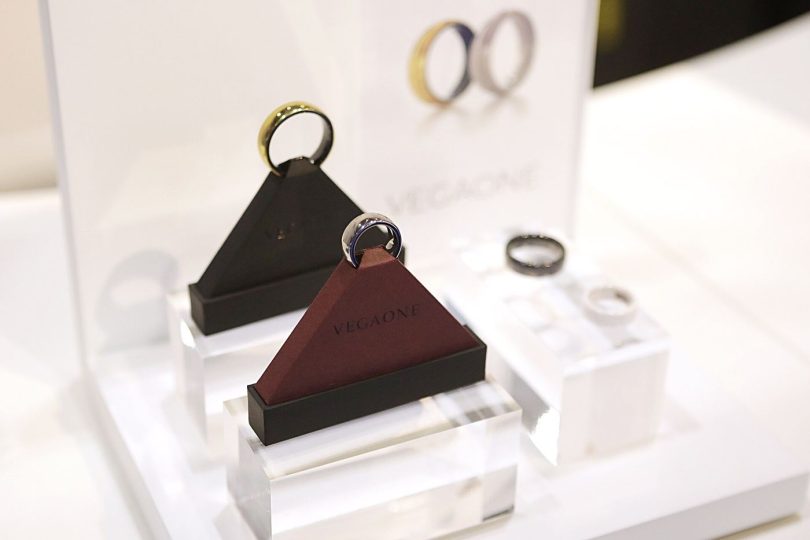

The smartwatch won the wrist; the ring is coming for everything the watch does badly. Smart rings — titanium bands packed with heart-rate, temperature, blood-oxygen and sleep sensors — have grown from crowdfunding curiosity into one of consumer health’s most contested categories, with major phone makers and focused startups racing to own the finger.
The form factor’s advantages are real. A ring is worn to bed without complaint, which makes its sleep data better than a watch abandoned on a charger. It carries no screen to distract, its battery lasts most of a week, and its measurements benefit from the finger’s strong blood flow.
A business model in the balance
The category’s liveliest argument is not hardware but pricing. The pioneer built its business on a subscription for full insights; challengers advertise no monthly fee as their headline feature. The dispute mirrors the wider wearables market’s question: is the product the device, or the data service behind it? Analysts tracked by outlets like IDC see ring shipments compounding quickly from a small base, and our business coverage follows the patent skirmishes that growth has attracted.
Health platforms are the real prize. Whoever’s ring feeds the dashboard becomes the hub of a user’s health record, a position with far more strategic value than the hardware margin.
What buyers should know
Sizing is destiny — a loose ring is an inaccurate ring — and sizing kits precede purchase for a reason. Buyers should also check which metrics sit behind paywalls, how data exports work, and whether the maker’s health claims are wellness-grade or clinically validated.
Accuracy is the quiet arms race
Beneath the industrial design, the competition is metrological. Rings infer sleep stages, readiness and strain from signals — pulse, temperature deviation, heart-rate variability — that are proxies for the things users actually care about, and the quality of a ring is the quality of its inferences. Validation studies against clinical sleep measurement have become a genre of marketing unto themselves, with each maker funding research the others then critique.
The honest state of the art: rings are good at trends and honest about limits, excellent at noticing that something changed, weaker at declaring exactly what. Users who treat the scores as a compass report the most satisfaction; those who treat them as a diagnosis are shopping for a different device. As the category’s business matures, that distinction — wellness companion versus medical instrument — is the line its leaders are learning to walk carefully.
Employers and insurers are circling the category with offers that will test its ethics early: wellness programmes that subsidise rings in exchange for aggregate health data, pilots that reward sleep the way step challenges rewarded walking. The ring makers profess strict consent architectures, and regulators in several markets are drafting the lines. The finger, it turns out, is intimate territory — and the business of reading it will be governed less by sensor quality than by whether users believe the reading stays theirs.
The ring will not kill the watch; they increasingly coexist, one for the day, one for the night. But the smallest computer most people own may soon be the one they forget they are wearing.